Anghine Darma Font for Web Design
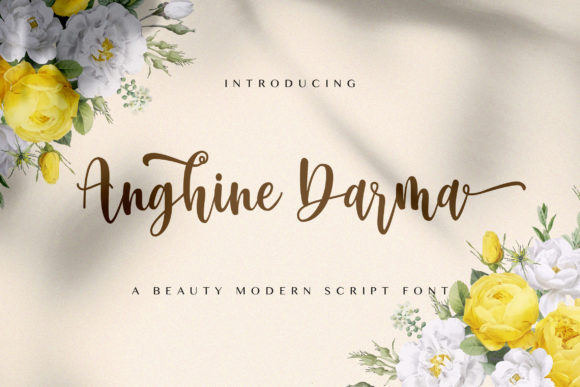
Anghine Darma is a script font that brings charm and whimsy to digital design. Its elegant curves and flowing lines make it ideal for web projects where personality and visual appeal matter. As a web designer, I appreciate how this font can elevate the look of headers, logos, and decorative elements without sacrificing readability.
When used in web design, Anghine Darma adds a unique touch to hero sections, call-to-action buttons, and landing pages. Its fluidity works well for short phrases, making it perfect for headlines or brand taglines. The font’s character makes it stand out while still maintaining a professional tone.
Using Anghine Darma in Digital Layouts
For website headers, Anghine Darma creates an immediate visual impact. It pairs well with modern sans serif fonts for body copy, offering a balanced contrast between decorative and functional typography. This combination helps maintain readability while keeping the design visually engaging.
In online stores, the font can be used for product titles, banners, and promotional graphics. Its handwritten feel gives a personal touch to boutique brands, making them more relatable to customers. When placed over dark backgrounds or image overlays, it remains legible as long as there is sufficient contrast.
On mobile screens, Anghine Darma performs best when used at larger sizes. Small text may become difficult to read, especially on low-resolution devices. For buttons or icons, it’s best to use the font sparingly to avoid cluttering the interface.
Brand Identity and Visual Hierarchy
Anghine Darma contributes to a strong brand identity by reinforcing a specific tone. Whether you're designing a creative portfolio, a coaching website, or a course sales page, this font can help establish a cohesive look. Its style works well for brands that want to appear artistic, approachable, or nostalgic.
When building a website, using Anghine Darma for section headings or logo text can guide users through the content. Its natural flow supports visual hierarchy, helping readers scan the page efficiently. However, it's not recommended for long paragraphs, as it may reduce readability.
For editorial designs like blog headers or social media graphics, Anghine Darma adds a stylish flair. It complements other design elements without overpowering them. Pairing it with a simple serif or sans serif font enhances its effectiveness, creating a polished and professional appearance.
Practical Applications and Font Pairing
Consider using Anghine Darma for a creative portfolio site to highlight project titles or client testimonials. Its soft curves add warmth to the design, making it more inviting. In a digital brand kit, it can serve as a signature font for logos, business cards, and marketing materials.
When pairing fonts, Anghine Darma works well with clean, neutral typefaces. A modern sans serif like Roboto or Open Sans balances its ornate details, ensuring the overall design remains legible and professional. For a more traditional feel, pairing it with a serif font like Georgia or Lora can create a timeless aesthetic.
For web projects, ensure the font is available in multiple weights and styles. Check if it includes ligatures, alternate characters, or special glyphs that enhance its usability. Support for multilingual characters is also important if your audience speaks different languages.
Commercial Licensing and Web Use
When using Anghine Darma for websites, landing pages, or online stores, verify the commercial license terms. Some fonts require separate licensing for web use, which can affect your workflow. Always confirm that the font is properly embedded as a webfont to avoid display issues.
For client projects, having a clear understanding of font rights ensures smooth delivery. If you’re using it in digital templates or brand assets, make sure the license covers all intended uses. This prevents potential legal complications down the line.
Anghine Darma is a versatile script font that offers both beauty and functionality. Its charm makes it a great choice for web designers looking to add character to their layouts. Whether used for headers, logos, or decorative accents, it contributes to a more engaging and memorable user experience.